

AI in Digital Marketing 2026: How Artificial Intelligence Is Revolutionizing Strategies and Driving ROI
Artificial intelligence is reshaping digital marketing in 2026, powering hyper-personalized campaigns, automated content creation, predictive insights, and real-time advertising optimization. From leading tools like Grok 4 and Google Performance Max to proven case studies at Netflix and Nike, discover the massive benefits—including 20-30% higher conversions—plus ethical challenges and emerging trends like agentic AI. Learn practical steps to integrate AI into your strategy and lead in this new era of smarter, scalable marketing.
Artificial intelligence is completely transforming digital marketing in 2026. AI now powers everything from hyper-personalized campaigns to automated content creation and predictive analytics, delivering higher ROI and deeper customer connections than ever before.
The global AI marketing market reached about $47 billion in 2025 and is projected to surpass $107 billion by 2028, growing at a compound annual rate of over 36%.
If you’re a marketer wondering how to stay competitive, you’re in the right place. In this guide, I’ll walk you through exactly how AI is being used today, the real benefits it’s delivering, proven examples from leading brands, potential challenges, future trends, and practical steps to get started. Let’s dive in.
What Is AI in Digital Marketing?
AI in digital marketing refers to using machine learning, generative models, and predictive algorithms to automate tasks, personalize experiences, and optimize campaigns at scale. By 2026, it’s evolved far beyond basic automation into sophisticated tools that analyze data, generate content, and even make strategic decisions in real time.
Think of it this way: traditional marketing relied on broad assumptions and manual processes. AI flips that by processing massive datasets instantly to uncover insights humans might miss. For example:
- Rule-based automation → Scheduled email sends.
- True AI → Predictive models that forecast customer behavior and adjust campaigns dynamically.
This shift accelerated in the early 2020s with tools like ChatGPT, and now, in 2026, multimodal and agentic AI are mainstream.
AI in digital marketing has evolved new optimization disciplines, such as GEO (Generative Engine Optimization), AEO (Answer Engine Optimization), AIO (AI Optimization), and LLMO (Large Language Model Optimization), to help content rank and perform in AI-powered search engines and AI systems.
Key Applications of AI in Digital Marketing Today
AI touches nearly every corner of digital marketing. Here are the most impactful ways brands are using it right now.
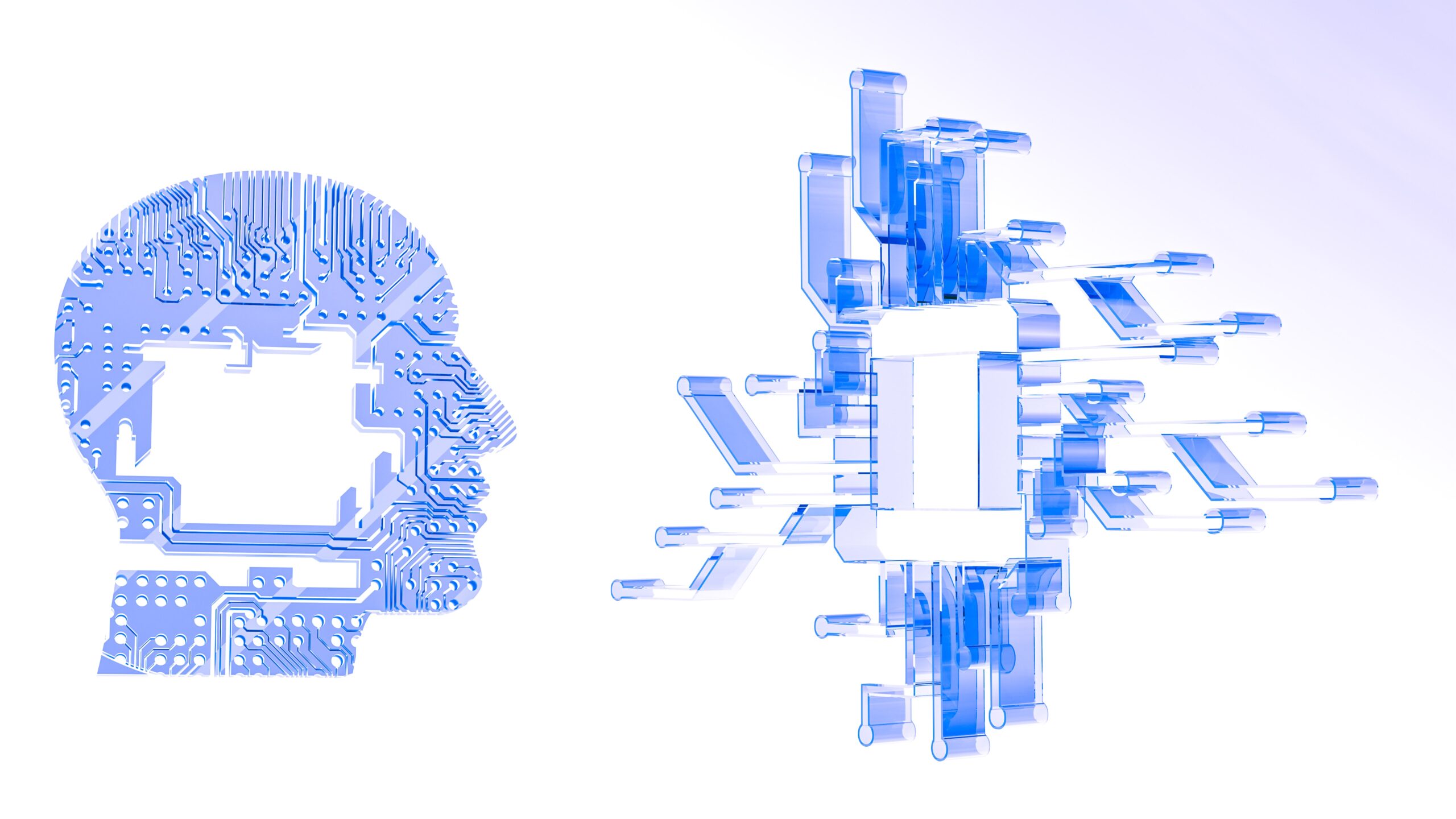
Personalized Customer Experiences at Scale
AI enables true hyper-personalization by analyzing user behavior, preferences, and context to deliver tailored content, recommendations, and offers in real time. In 2026, brands using AI-driven personalization see 20-30% higher conversion rates and improved customer loyalty because messages feel uniquely relevant to each individual.
You’ve experienced this yourself on platforms like Netflix or Amazon. Here’s how it works in practice:
- Dynamic website content that changes based on visitor history.
- Product recommendations powered by collaborative filtering.
- Personalized email subject lines and send times optimized by AI.
Tools like Optimove and Dynamic Yield make this accessible even for mid-sized businesses.
AI-Powered Content Creation and Optimization
Generative AI tools now create high-quality blog posts, social captions, ad copy, images, and videos from simple prompts, while optimization algorithms ensure content ranks well and engages audiences. Marketers using AI for content report saving up to 50% of their time while maintaining or improving quality.
Popular tools in 2026 include:
- Grok 4 and Claude for research and long-form writing.
- Jasper and Copy.ai for marketing copy.
- Midjourney or Google Veo for visuals and short videos.
The key is human oversight—AI drafts, you refine.
Predictive Analytics and Customer Insights
Predictive analytics uses AI to forecast customer behavior, churn risk, lifetime value, and campaign performance by analyzing historical and real-time data patterns. This allows marketers to allocate budgets smarter and intervene proactively, often boosting revenue by 15-20%.
Common use cases:
- Identifying high-value leads before they convert.
- Predicting which products a customer will buy next.
- Forecasting seasonal demand trends.
Platforms like HubSpot AI and Google Analytics 4’s predictive metrics make this straightforward.
Programmatic Advertising and Real-Time Bidding
Programmatic advertising powered by AI automates ad buying, targeting, and optimization across channels using real-time bidding and audience segmentation. In 2026, over 90% of digital display ads are bought programmatically, delivering better ROI through precise targeting and reduced waste.
Tools like Google Performance Max and The Trade Desk use AI to:
- Adjust bids instantly based on performance.
- Find lookalike audiences automatically.
- Optimize creative variations.
Chatbots, Voice Assistants, and Conversational Marketing
AI chatbots and voice assistants handle customer queries 24/7, qualify leads, and guide purchases through natural conversations. Advanced models in 2026 understand context, emotion, and intent better than ever, achieving customer satisfaction scores comparable to human agents while cutting support costs by up to 80%.
Examples:
- Website chatbots that book demos.
- Voice search optimization for Alexa and Google Assistant.
- WhatsApp or Messenger bots for personalized shopping.
SEO and Search Optimization with AI
AI tools now research keywords, optimize on-page content, generate schema markup, and predict ranking factors in generative search environments. With Google’s AI Overviews and chat-based search dominant in 2026, AI helps create content that ranks in traditional results and gets extracted into AI summaries.
Best practices:
- Use tools like Surfer SEO or Frase for content briefs.
- Focus on entity-based optimization and user intent.
- Monitor performance with Ahrefs or Semrush AI features.
Social Media Management and Sentiment Analysis
AI automates posting schedules, analyzes sentiment across mentions, and identifies trending topics to guide content strategy. This helps brands respond faster to crises and capitalize on viral opportunities.
Key capabilities:
- Sentiment tracking across millions of posts.
- Optimal posting times based on audience activity.
- Influencer identification and collaboration suggestions.
Tools like Hootsuite Insights and Sprout Social lead here.
Email Marketing Automation and Dynamic Campaigns
AI personalizes email content, subject lines, and send times, dynamically segments lists, and predicts open rates. Campaigns built with AI achieve 20-40% higher open and click-through rates than manual campaigns.
Features you’ll love:
- Dynamic content blocks that change per recipient.
- Automated re-engagement sequences.
- A/B testing at scale.
Platforms like Klaviyo and ActiveCampaign excel.
Major Benefits of Integrating AI into Digital Marketing
When you adopt AI thoughtfully, the payoffs are substantial.
In 2026, mastering AI in digital marketing is essential to win clicks, drive targeted traffic, and dominate an AI-powered SERP landscape.
Here are the biggest advantages backed by 2026 data:
- Higher efficiency — Automate repetitive tasks and free up 30-50% of team time for strategy.
- Better personalization — Increase conversions and loyalty with relevant experiences.
- Data-driven decisions — Predictive insights reduce guesswork and improve ROI.
- Cost savings — Lower content production and ad spend waste.
- Scalability — Handle larger audiences without proportional staff growth.
- Competitive edge — 92% of businesses plan GenAI investments, so early adopters lead.
| Benefit | Typical Impact (2025-2026 Data) | Example Metric |
|---|---|---|
| Personalization uplift | 20-30% higher conversions | Revenue increase |
| Time savings | 30-50% reduction in manual tasks | Hours saved per week |
| Ad efficiency | 15-25% lower cost per acquisition | Programmatic platforms |
| Content production speed | 3-10x faster draft creation | Generative AI tools |
| Customer retention | 10-20% improvement in lifetime value | Predictive churn models |
Real-World Case Studies and Success Stories
Seeing AI in action makes the potential clear. Here are five standout examples from recent years:
- Netflix — Uses AI recommendation engines that drive 75% of viewer activity, contributing billions in annual retention value through hyper-personalized suggestions.
- Coca-Cola — Launched AI-generated campaigns like “Create Real Magic” using GPT-4 and DALL-E, resulting in millions of user-generated assets and massive social engagement.
- Nike — Deployed AI for personalized product recommendations and virtual try-on, boosting online conversion rates by over 25% in key markets.
- A mid-sized e-commerce brand with Jasper + HubSpot — Automated 80% of blog content and email campaigns, increasing organic traffic 40% and email revenue 35% within six months.
- Sephora’s Virtual Artist — AI-powered AR makeup try-on and chatbot increased average order value by 15% and reduced returns significantly.
These cases show that measurable results are achievable at any scale.
Challenges and Ethical Considerations
AI isn’t without hurdles. Here are the main challenges marketers face in 2026, along with how to address them responsibly:
- Data privacy and compliance → Strict regulations like GDPR and CCPA require transparent data use. Always prioritize consent and anonymization.
- Algorithmic bias → Models trained on skewed data can perpetuate unfair targeting. Audit datasets regularly and use diverse sources.
- Transparency → Consumers want to know when they’re interacting with AI. Label generated content clearly.
- Job evolution → AI automates tasks but creates demand for strategic oversight. Focus on upskilling teams.
- Over-reliance → Maintain human creativity for brand voice. Use AI as a collaborator, not a replacement.
Ethical AI builds trust—and trust drives long-term success.
The Future of AI in Digital Marketing (2026–2030 Outlook)
Looking ahead, AI will become even more autonomous and integrated. Here are the trends experts predict:
- Agentic AI → Autonomous agents that plan and execute full campaigns with minimal input.
- Multimodal creativity → Seamless generation of video, audio, and interactive experiences.
- Privacy-first marketing → Zero-party data combined with federated learning.
- AI as creative collaborator → Marketers partnering with AI for ideation and strategy.
- Immersive experiences → AR/VR and spatial computing powered by real-time AI personalization.
By 2030, AI could handle 80% of routine marketing tasks, letting humans focus on innovation and relationships.
How to Get Started with AI in Your Digital Marketing Strategy
Ready to begin? Follow this straightforward step-by-step plan:
- Audit your current processes — Identify repetitive tasks ripe for automation (content, reporting, targeting). AI visibility audit of the website.
- Set clear goals — Focus on specific outcomes like “increase email open rates 20%” or “cut content creation time in half.”
- Choose tools that fit your stack — Start small with accessible options.
- Pilot one use case — Test personalization or content generation first.
- Train your team — Provide hands-on workshops and prompt engineering guidance.
- Measure and iterate — Track KPIs closely and refine based on results.
Here’s a quick 2026 tool comparison table to help you choose:
| Category | Top Tools (2026) | Best For | Starting Price Tier |
|---|---|---|---|
| Content Creation | Grok 4, Claude, Jasper | Long-form & copy | Free to $99/mo |
| Personalization | Optimove, Dynamic Yield | Customer journeys | Enterprise |
| Advertising | Google Performance Max, Albert.ai | Programmatic & bidding | Pay-per-use |
| Analytics & Insights | HubSpot AI, Google Analytics 4 | Predictive metrics | Free to $800/mo |
| Chat & Conversational | Intercom AI, ManyChat | Customer service & leads | $49/mo+ |
| SEO Optimization | Surfer SEO, Frase | Content briefs & ranking | $59/mo+ |
Frequently Asked Questions
How is AI used in digital marketing in 2026?
AI is widely used in digital marketing to personalize experiences, automate content creation, optimize advertising, predict customer behavior, and power chatbots for real-time engagement. Tools analyze vast data instantly, enabling hyper-targeted campaigns and dynamic adjustments that boost conversions and efficiency across email, social, SEO, and programmatic ads.
What are the best AI tools for digital marketing in 2026?
The top AI tools in 2026 include Grok 4 and Claude for advanced content generation, Google Performance Max for programmatic advertising, HubSpot AI for predictive analytics and personalization, Jasper for copywriting, and Surfer SEO for content optimization. These tools help marketers save time while improving campaign performance and relevance.
Will AI replace digital marketers?
AI will not replace digital marketers but will transform their roles by automating repetitive tasks and providing powerful insights. Human creativity, strategic thinking, and emotional intelligence remain essential for brand storytelling, ethical decision-making, and building genuine customer relationships that AI alone cannot replicate.
What are the main benefits of using AI in digital marketing?
The primary benefits of AI in digital marketing include hyper-personalization that increases conversions by 20-30%, significant time savings on content and ads, data-driven decisions for higher ROI, cost reductions, and scalable campaigns that reach larger audiences without proportional increases in effort or budget.
How does AI improve personalization in digital marketing?
AI improves personalization by analyzing user behavior, preferences, and real-time data to deliver tailored content, recommendations, and offers instantly. This creates relevant experiences—such as dynamic emails or website adjustments—that boost engagement, loyalty, and conversion rates far beyond what traditional segmentation methods achieve.
What are the biggest challenges of adopting AI in digital marketing?
The biggest challenges include ensuring data privacy and regulatory compliance, avoiding algorithmic bias in targeting, maintaining transparency with AI-generated content, upskilling teams to use new tools, and balancing automation with human creativity to preserve the authentic brand voice and trust.
What is the future of AI in digital marketing beyond 2026?
The future of AI in digital marketing lies in agentic systems that autonomously plan and execute campaigns, multimodal content creation for immersive experiences, privacy-first personalization using zero-party data, and deeper integration with AR/VR for spatial and interactive marketing strategies.
Bottom Line
AI has ushered in a new era for digital marketing—one where data-driven precision meets unprecedented creativity and scale. Brands that embrace AI strategically are seeing higher engagement, better ROI, and stronger customer relationships. Those who hesitate risk falling behind.
The good news? You don’t need to overhaul everything overnight. Start small, stay ethical, and keep the human touch at the center. The future of marketing is bright—and it’s powered by AI. What will you build first?
Building a sustainable digital presence requires a thoughtful blend of authority and editorial integrity to ensure long-term visibility. Megrisoft UK focuses on high-quality outreach that fosters genuine growth. Let’s discuss your outreach goals to see how our white-hat strategies can help you secure a credible, lasting market position.




 UK
UK 
 US
US  CANADA